-
Quality Control Lesson: Check the Spec, Not the Claim
-
What Makes Clairefontaine French Ruled Notebooks Different
-
Clairefontaine Fountain Pen Paper and the Ink Problem
-
Where to Find Cheap Art Supplies That Do Not Waste Your Time
-
Why a Cumulative GPA Calculator Explains Paper Buying
-
Sublimation Printer Paper: Know What Not to Buy
-
What I Check Before Ordering Notebooks in Bulk
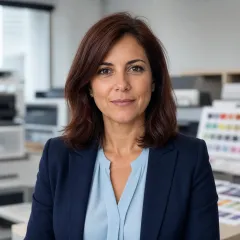
I check paper for a living.
For the last four years, I have worked as the quality compliance manager at a French paper company. My job is to look at paper that most people would call fine and find the reasons it will disappoint them later. I pull random sheets, measure them against the product specification, and make the call: ship or redo. In 2022, I rejected about 3% of first deliveries for issues that would not have shown up on a store shelf but would have shown up on the second page of a notebook.
Here is my blunt conclusion: The most expensive paper is the one you have to buy twice. In my experience, the most common source of waste in a stationery budget is not Clairefontaine French ruled notebooks or Clairefontaine fountain pen paper. It is the cheap alternative that feels like a deal until it forces you to do the work again.
Let me explain what quality control taught me about buying paper, where cheap art supplies fit in, and why a cumulative GPA calculator is a surprisingly good model for comparing products.
Quality Control Lesson: Check the Spec, Not the Claim
Early in my quality-control work, I assumed a supplier's certificate of analysis meant the shipment would match the approved sample. It didn't. A batch of 5,000 French ruled notebooks arrived with the ruling shifted about 2 mm toward the top edge. The shift was hard to see in a closed notebook. But when a student tried to write within those guides, it made the whole system feel off. We rejected the batch.
Since then, I have kept a checklist. People smile when I call a checklist an insurance policy, but it is. A checklist catches the small mistakes before they become expensive corrections. Five minutes of verification beats five days of rework. When I implemented a stricter verification protocol in 2022, our return rate dropped by more than a third over the next two audit cycles. It did not happen because we demanded perfection. It happened because we checked the paper on its own terms before it reached customers.
What Makes Clairefontaine French Ruled Notebooks Different
People search for a Clairefontaine French ruled notebook for a reason. The paper is as important as the ruling. Industry paper conversion tables put common 20 lb copy paper at about 75 gsm; 24 lb bond paper is about 90 gsm. But those numbers only tell part of the story.
French ruled paper is a guide system with multiple horizontal lines that help the writer keep letter heights consistent. If those lines sit on a page that feathers or bleeds, the guide falls apart. A thoughtful French ruled notebook should combine a crisp, accurate ruling with paper that can accept ink without turning every line into a minor accident. That is the specification I care about.
Clairefontaine Fountain Pen Paper and the Ink Problem
Most notebooks are built for ballpoints. Ballpoint ink is thick and slow; it does not run through paper fibers the way liquid ink does. Fountain pens are different. If you put a wet nib on paper sized for dry ballpoint ink, the ink spreads sideways. That is why a 0.5 mm nib can look like a 0.7 mm nib on cheap paper.
Clairefontaine fountain pen paper is made to control that absorbency. It has a dense, smooth surface and a paper-making step called sizing that keeps liquid ink from sinking into the fibers. I have run ink tests on 75 gsm office paper that made a fountain pen line spread badly enough to show through the other side. The same pen on a well-made 90 gsm sheet left a clean, predictable line. That is not magic. It is a spec matching the tool.
Where to Find Cheap Art Supplies That Do Not Waste Your Time
People often ask where to find cheap art supplies. My answer always comes from quality control: do not buy cheap where the surface is part of the technique.
- Cheap brushes are fine for practice. Cheap palettes are fine. Cheap sketch paper is fine for thumbnails or rough ideas.
- Cheap paper is a bad place to save money if you use liquid media. Paper is not just a surface; it is an active participant. It pulls water, slows ink, and changes how much pressure you apply.
- If the label does not tell you the gsm, the content, or whether the paper is acid-free, the manufacturer is probably not competing on specification.
The smartest way to find cheap art supplies is to buy superior paper in smaller amounts, or to buy from stores that sell reputable mill brands at discount prices. The unusable cheap pad is never cheap.
Why a Cumulative GPA Calculator Explains Paper Buying
Here is a mental trick I use with every product purchase. Treat the decision like a cumulative GPA calculator. You do not judge a semester by only one quiz; you weigh the grades that matter more and average everything together.
A cheap art pad might earn an A for price, a C for consistency, and a D for bleed resistance. Those low grades pull the final average down. When you calculate the cost per usable page, the cheap pad often loses to a better sheet by a wide margin. The premium sheet has a high sticker price but a much stronger weighted average.
I made a supplier scorecard once that worked exactly this way. It functioned like a cumulative GPA calculator with quality weighted more heavily than price. The cheapest product finished below the approval threshold. The better product earned the contract because its total cost over the project was lower. I did not make that decision because I love good paper. I made it because the numbers pointed in one direction.
Sublimation Printer Paper: Know What Not to Buy
I have to acknowledge the boundary of my advice here. I am not a sublimation printer technician. If you are using a sublimation printer, the paper needs a special receiving layer that releases dye under heat. Standard writing paper, even excellent writing paper, will not give you the same result.
The quality lesson is the same, though. Before you compare brands, compare specifications. A sublimation printer is an excellent example of why the most expensive paper ever made can still be the wrong paper. The right choice is the one that matches your process.
What I Check Before Ordering Notebooks in Bulk
If you want to apply this to real life, use my short ordering checklist:
- Find the gsm. If the manufacturer does not state it, assume they are hiding something.
- Ask what ink the end user will put on the page. Need varies between ballpoint, fountain pen, and marker.
- Check the ruling type. French ruled, dotted, graph, and standard lined paper serve different purposes.
- Run a 60-second test with the actual writing tool before buying a large quantity.
Quality control is not about being fussy. It is about deciding what you need and checking that the product meets the standard before you buy. For Clairefontaine French ruled notebooks and fountain pen paper, the standard is high because the writing experience is the product. For cheap art supplies, the standard should be even higher; otherwise, the savings disappear. Period.